
UAE Real Estate Investment 2026 How to Profit from Dubai and Abu Dhabi
Introduction
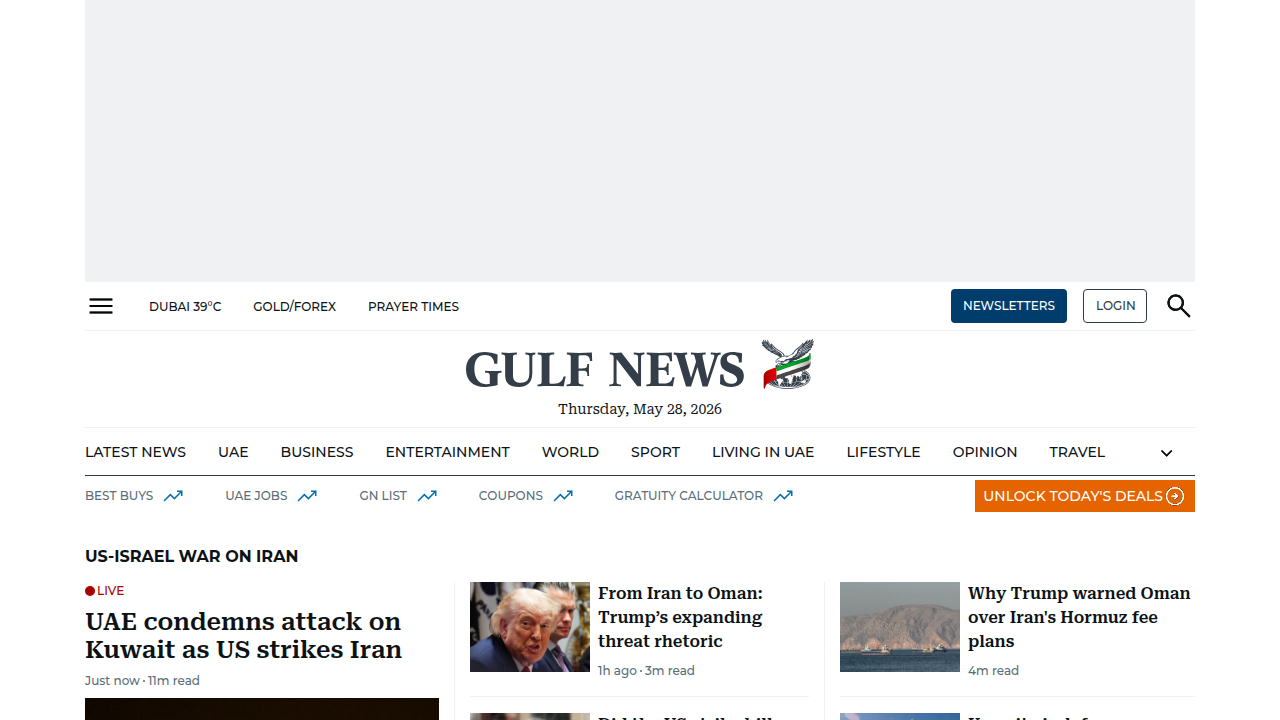
You have probably noticed the headlines. The UAE property market is booming in 2026. In the first quarter alone, the total value of real estate transactions hit Dh252 billion. That is a 31% jump compared to last year, according to a recent Gulf News report.
More than 48,000 investors jumped in during that same period. The appeal is clear. A tax-free environment, strong rental yields, and a stable economy make places like Dubai and Abu Dhabi hard to ignore. The IMF expects UAE economic growth to hit around 5% in 2026, well above the global average, as noted in the Dubai Housing Market analysis from Engel & Völkers.
But here is the thing. Investing in a foreign country is not simple. You face real challenges.
Maybe you are an investor from Pakistan looking at luxury villas or apartments. You quickly run into information overload. There are too many websites, too many agents, and too many conflicting opinions.

Legal rules feel confusing. And then there is the money side. Currency fluctuations can make or break your returns. If you are converting rupees to dirhams, the uae to pkr exchange rate matters a lot. A small shift can change your budget significantly.
You might also wonder about practical things. What is a Dubai postcode for your new property? Should you hire management consultants in Dubai to help you navigate the market? And which areas offer the best dubai houses for sale luxury options that fit your goals?
This guide is here to cut through the noise. We provide expert, data-driven insights to help you make smart decisions. Whether you are looking at affordable units or premium properties, we break down what you need to know. And we pay special attention to the numbers that hit your wallet, including currency exchange rates.
Ready to start your journey? Our complete guide on investing across the Emirates in UAE 2026 covers everything from market trends to practical steps you can take right now.
The UAE Real Estate Market: An Overview for International Investors
Let’s talk about what is actually happening on the ground in 2026.
The numbers we saw in the introduction are just the start. Both Dubai and Abu Dhabi are seeing strong growth, but the dynamics are a little different in each city. In Dubai, the market is entering what analysts call a "more balanced phase," according to the Global Property Guide analysis. That means prices are still rising, but at a steadier pace than the crazy spikes of previous years. Inventory is also catching up. About 1,10,500 new residential units are expected to be delivered in Dubai in 2026, as reported by The Economic Times. That is a huge number, and it means buyers have more choices than ever before.
Abu Dhabi is also doing well, with its own steady demand driven by government spending and a growing population. The overall 3 to 5 year outlook for the UAE housing market is "cautiously optimistic," as noted by Sands of Wealth. Prices are expected to stay stable or grow modestly.
So where is the money flowing? Three sectors are attracting most of the foreign capital.
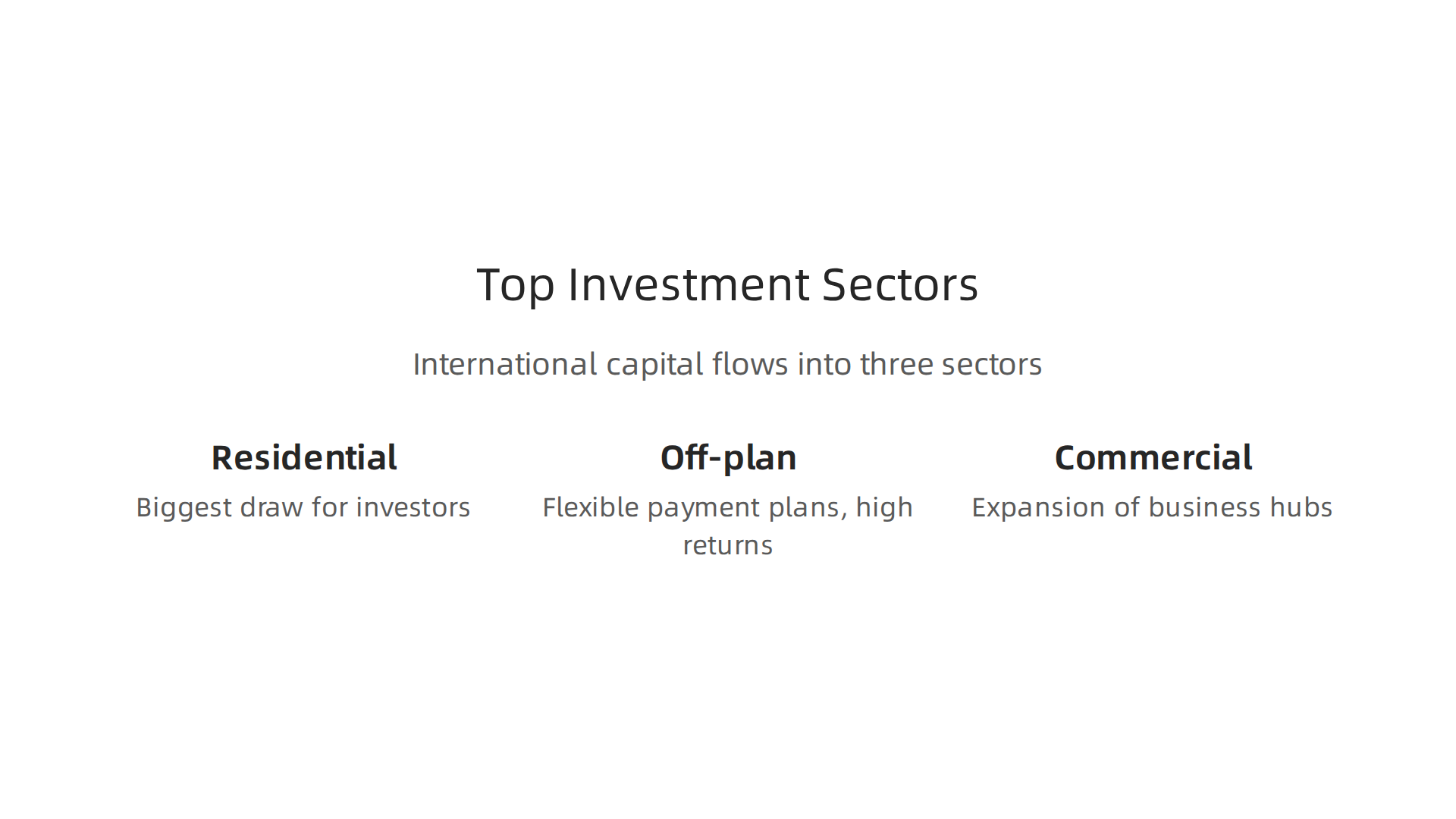
Residential properties are the biggest draw. Investors want apartments and villas, especially ready-to-move-in units that can generate rental income right away. Off-plan properties are also hot, because developers offer flexible payment plans and potentially higher returns. And commercial real estate is growing too, thanks to the expansion of business hubs in Dubai and Abu Dhabi.
But here is the thing. All these opportunities depend on bigger forces. Oil prices remain healthy, which keeps the government’s budget strong. Tourism is booming, with visitor numbers hitting record highs. And the legacy of Expo 2020 continues to fuel infrastructure and business growth. The IMF forecasts UAE economic growth of around 5% in 2026, well above the global average. That creates a solid foundation for real estate.
For you as an international investor, especially from Pakistan, the macro picture is good. But you also need to think about the uae to pkr exchange rate. A strong dirham means your rupees go further when buying, but it also affects your rental income when you convert back. Keep an eye on that rate.
To make smart moves, you need good local connections. That is why attending networking events in Dubai to unlock real estate market entry can be a game changer.

Meeting the right people helps you find the best deals before they hit the public listings.
The opportunity is real. But success comes from understanding the market, not just jumping in.
Legal Framework: Ownership Rights and Foreign Investment Laws
You might wonder, "Can I actually own property in the UAE as a foreigner?" The short answer is yes, absolutely. But there are some rules you need to know.
The first big thing to understand is the difference between freehold and leasehold ownership.
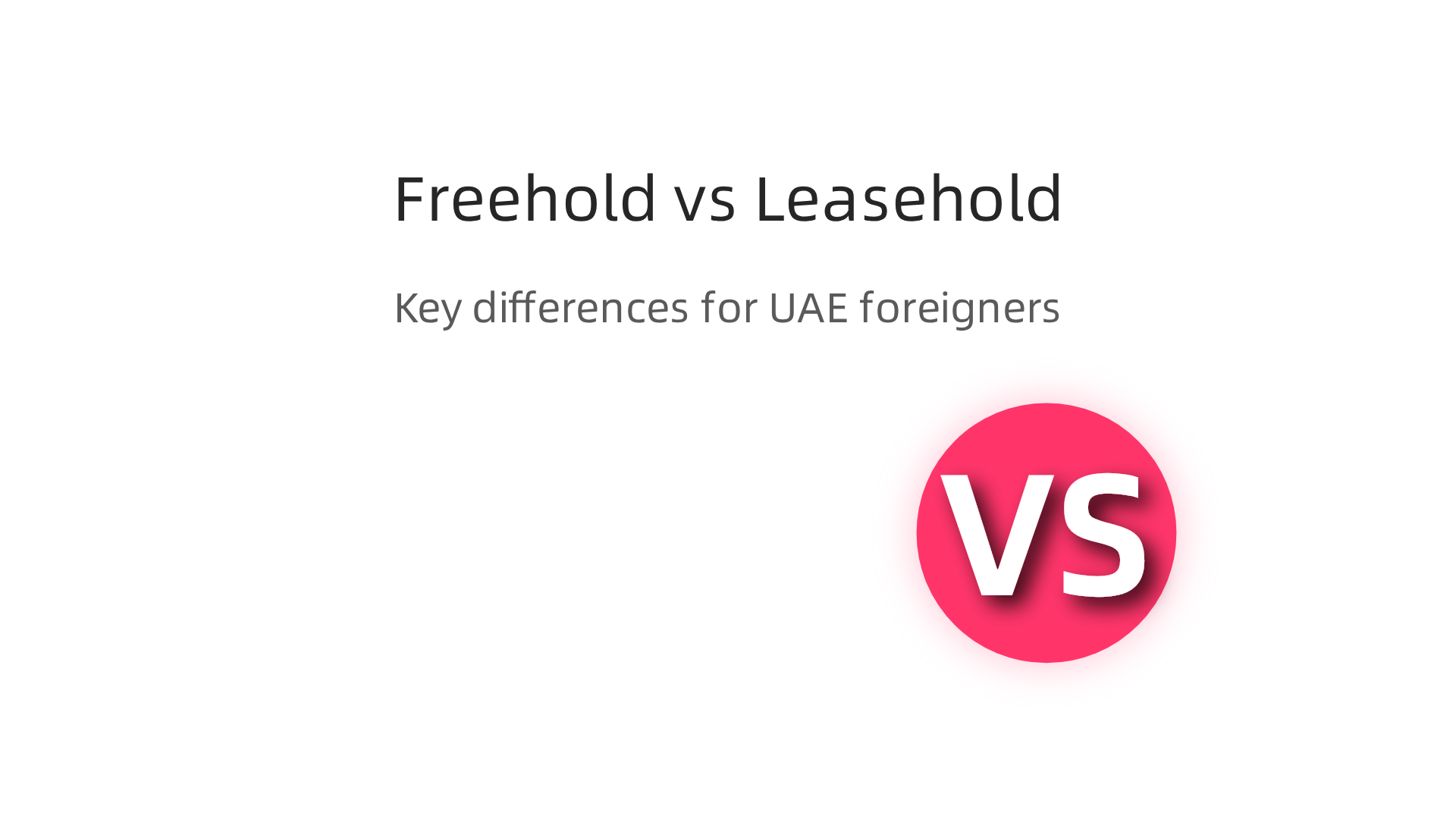
Freehold means you own the property and the land it sits on forever. Leasehold means you own the property for a set period, usually 99 years, but not the land. As a foreigner, you can buy freehold property in designated areas in both Dubai and Abu Dhabi.
According to the UAE official government portal, you can own property in Dubai only in designated freehold zones. These areas include popular spots like Dubai Marina, Palm Jumeirah, Downtown Dubai, and parts of Jumeirah Lakes Towers. The same applies in Abu Dhabi, where the government changed the law in 2019 to allow foreigners to own freehold in specific investment zones, as reported by UNCTAD.
Outside those zones, you can still buy, but on a leasehold basis. That is still a solid investment, especially if the location is right.
Now let’s talk about regulations that protect you. The Dubai Land Department (DLD) and the Real Estate Regulatory Authority (RERA) are the main government bodies overseeing everything. They make sure developers follow the rules. One of the most important protections is the escrow law for off-plan properties. When you buy a property that hasn’t been built yet, your money goes into a special escrow account, not directly to the developer. The funds are released only as construction milestones are met. This protects you from projects that never get finished.
As Bayut explains, foreign property ownership is clearly permitted in these freehold zones, and the process is straightforward if you work with registered agents.
Visas and residency by investment are another huge benefit. In 2026, the UAE offers a Golden Visa for property investors. If you buy a property worth at least AED 2 million (around $545,000), you can get a 10-year renewable residency visa. That is a big deal, especially for families. You do not need a sponsor, and you can live, work, and study in the UAE. For buyers from Pakistan, the uae to pkr exchange rate makes this threshold more accessible when the dirham is strong.
This is why getting professional advice matters so much. If you want to explore your options, check out this guide on investing across the emirates in UAE for 2026. It breaks down the key differences between buying in Dubai, Abu Dhabi, and other emirates.
To wrap it up, the legal framework in the UAE is designed to protect foreign investors. You have clear ownership rights, strong regulatory oversight, and a direct path to residency. The key is knowing which zones to buy in and following the rules set by RERA and the DLD.
Financial Considerations: Currency Exchange Rates and ROI
Now that you understand the legal side, let’s talk about what really affects your bottom line. The money part.
If you are sending funds from Pakistan to the UAE, the uae to pkr exchange rate can make a real difference to your investment returns.
Here is the thing. In 2026, 1 AED equals roughly 75.8 to 76 PKR based on recent data from XE currency tables. That number does not sit still. It moves. And even small changes can affect how much property you can afford and how much profit you take home later.
How the exchange rate affects your returns
Let me give you a simple example. Say you want to buy a property worth AED 1,000,000. If the uae to pkr rate is 76, that costs you PKR 76,000,000. If the rupee weakens and the rate moves to 78, the same property now costs PKR 78,000,000. That is a big jump. Historical data from OFX shows the rate has fluctuated between roughly 75.6 and 77.4 over recent months. So timing your transfer matters.
How to manage currency risk
You do not have to guess the right day to move your money. Smart investors use a few simple strategies:
- Hedging with forward contracts. You lock in a rate today for a transfer you will make in the future. This protects you if the rupee drops.
- Timing your transfers. Watch the rate over a few weeks. Transfer when the rate is in your favor. Tools like Wise let you track the 7 day and 30 day history easily.

- Using specialized transfer services. Banks often give average rates. Services like OFX or Wise give you better rates and lower fees.
If you want a closer look at which areas offer the best value, check out this guide on investing across the emirates in UAE for 2026. It helps you compare options across Dubai, Abu Dhabi, and beyond.
Cash versus mortgage for international buyers
Here is another big choice. Should you pay cash or get a mortgage?
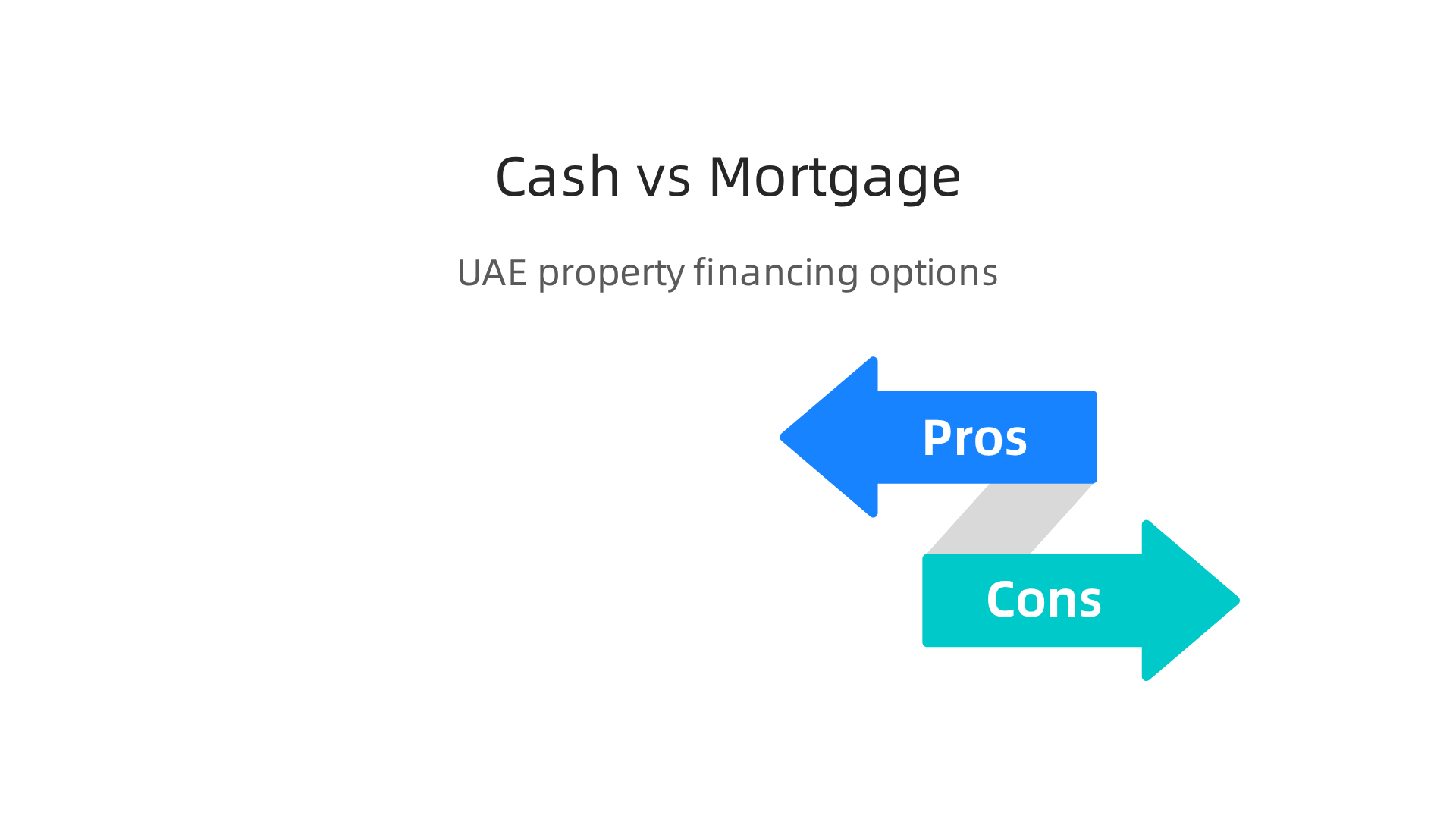
| Option | Pros | Cons |
|---|---|---|
| Cash | Faster closing, no interest costs, stronger negotiation position | Ties up all your capital, higher currency risk upfront |
| Mortgage | Leverages your money, keeps cash for other investments, spreads currency risk over time | Interest costs, bank approval process, requires documentation |
If you are buying luxury property, many investors prefer cash to close deals faster. But a mortgage can make sense if you want to keep your PKR earning elsewhere. Check out current listings for dubai houses for sale luxury to see what your budget can get you.
Working with management consultants in dubai who understand cross border money moves can save you thousands. And when you are ready to send funds, always check the live rate first. The average uae to pkr rate for 2026 so far sits around 76.05 according to exchangerates.org.uk. Knowing that number keeps you in control.
Top Investment Locations: Dubai vs. Abu Dhabi
So you have sorted out your finances and understand how the uae to pkr exchange rate affects your budget. Now comes the fun part: where to buy? In 2026, two big names stand out: Dubai and Abu Dhabi. But they offer very different things. Your choice depends on whether you want fast cash flow or long term stability.
Dubai: High rental yields and buzzing neighborhoods
Dubai is all about rental income. The average gross rental yield in Dubai in 2026 sits around 5.5% to 7%, depending on the area and property type, according to Luxhabitat. That is higher than most global cities.
Some of the top spots for yield include:
- Dubai Marina – Strong demand from professionals and tourists, with yields often above 6%.
- Downtown Dubai – High rental rates, though entry prices are higher.
- Emerging communities like Al Jadaf – lower purchase prices with good rental potential. For a closer look at this area, read our guide on why Al Jadaf Metro Station Dubai is a prime property investment in 2026.
If you want quick returns and don’t mind some volatility, Dubai is your pick. Just remember that the uae to pkr rate can either boost or eat into those profits when you convert back.
Abu Dhabi: Steady growth and government backing
Abu Dhabi is the calmer cousin. The market there is less flashy but more predictable. According to Khaleej Times, residential values are forecast to rise by 16% in 2026, up from 13% the year before. Rents are also climbing, up 6% expected.
What makes Abu Dhabi different?
- Government-backed mega projects – Developments like Yas Island, Saadiyat Island, and Al Reem Island are driven by long term plans, not speculation.
- Lower volatility – Prices don’t swing as wildly as in Dubai.
- Stable demand – A large expat workforce and steady population growth keep the rental market healthy.
If you are a more conservative investor or you want to park your capital for five to ten years, Abu Dhabi feels safer. The overall UAE average gross rental yield is about 5.45% as of late 2025, as reported by Global Property Guide. But Abu Dhabi’s yields are often slightly lower than Dubai’s, made up for by capital appreciation.
Emerging destinations: Sharjah and Ras Al Khaimah
Don’t overlook the smaller emirates. Sharjah and Ras Al Khaimah offer lower entry prices and potential for future growth. Sharjah is close to Dubai, with good infrastructure and family oriented communities. Ras Al Khaimah is seeing new luxury developments and tourism driven demand.
These markets are less liquid than Dubai or Abu Dhabi, so you need a longer time horizon. But for investors with a smaller budget or those wanting to diversify, they are worth a look.
To compare all the emirates side by side, check out our complete guide on investing across the emirates in UAE for 2026. It breaks down yields, regulations, and growth potential for each emirate.
Bottom line: Dubai gives you fast cash flow. Abu Dhabi gives you steady appreciation. Emerging emirates give you lower entry points. Match your choice to your goals and your currency situation. And always keep an eye on the uae to pkr rate because it touches every part of your return.
Step-by-Step Property Buying Process for Foreigners
By now, you have a good idea of which emirate fits your goals. So how do you actually buy a property there as a foreigner in 2026? Let me walk you through the simple steps. The process is straightforward, but you need to follow each one carefully.
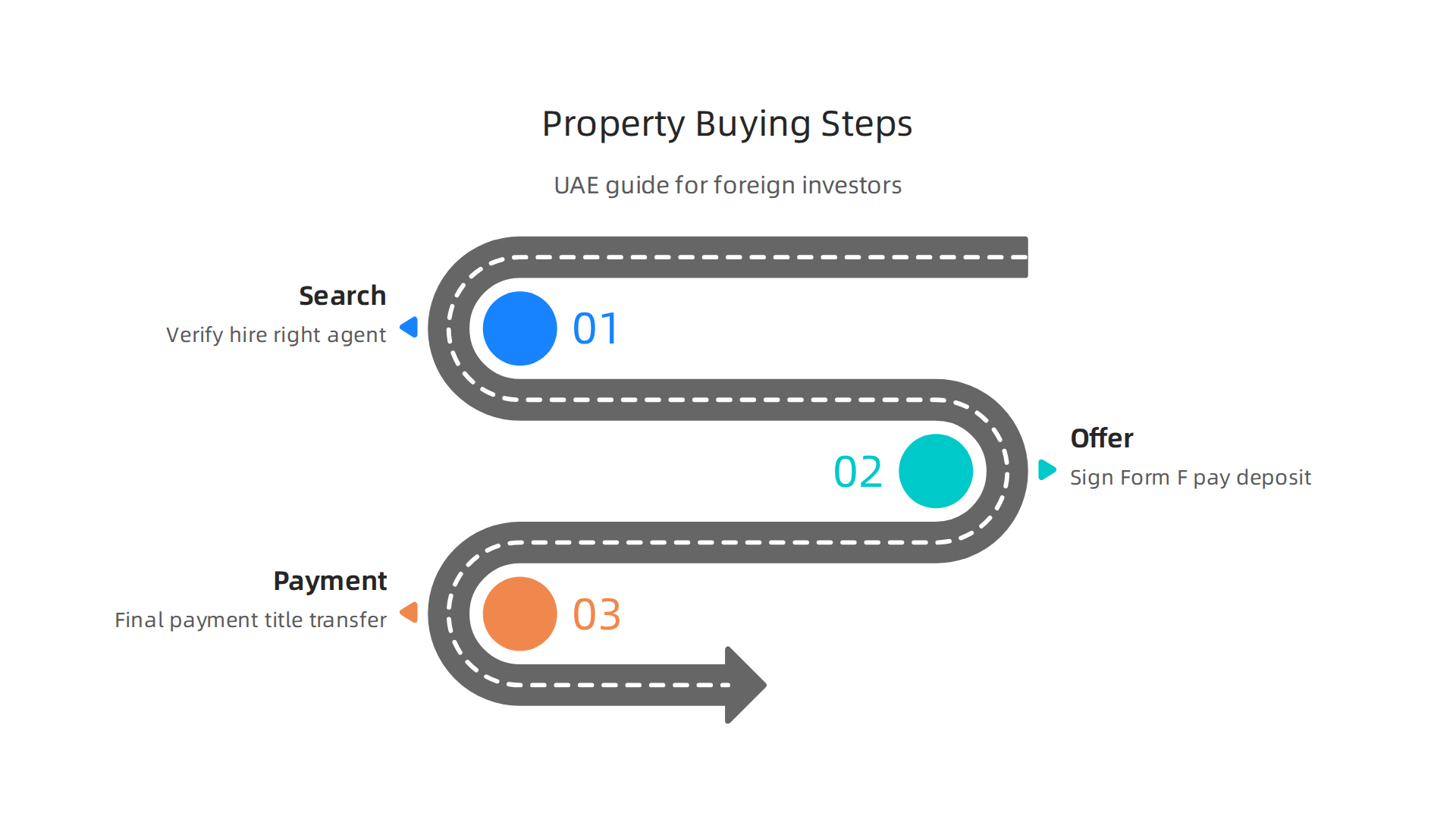
Step 1: Search, Verify, and Hire the Right Agent
First, know where you can buy. Foreigners can only own freehold property in specific areas. In Dubai, these include places like Dubai Marina and Downtown. In Abu Dhabi, the government has also allowed foreigners to own freehold in investment zones like Yas Island.
Your first move is to find a RERA-registered agent. This is a must.

A licensed agent will help you search for the right home, whether you want affordable apartments or dubai houses for sale luxury. Do your own homework too. Check the developer’s past projects. Look up the specific area using a dubai postcode map to see the exact location. If you need help structuring a complex deal, you might even talk to management consultants in dubai who understand the local market. For a closer look at a high-growth area, read our guide on why Al Jadaf is a prime property investment in 2026.
Step 2: Make an Offer and Sign Form F
Found the right property? Great. Now you make a formal offer through your agent. If the seller accepts, you will sign a document called Form F. This is the official sales agreement. You also pay a deposit, usually 10% of the price. This money goes into a secure escrow account. The Form F lays out everything: the payment schedule, the handover date, and what happens if either party backs out. Read it carefully. Take your time. Do not rush this step.
Step 3: Final Payment and Title Transfer
This is the final stage. You pay the remaining amount. If you are sending funds from Pakistan, this is where the uae to pkr exchange rate matters most. Even a small move in the rate can change your total cost by thousands. I recommend locking in a good rate before you make the final transfer.
After payment, you meet at the Dubai Land Department (DLD) or a trustee office to transfer ownership. You pay the DLD fee, which is 4% of the property price plus small admin costs. According to the official UAE government rules, the whole legal process is designed to protect foreign buyers. Once registered, you get the title deed in your name. You are now a property owner in the UAE.
The whole process can take just a few weeks if you are prepared. Stay organized and keep tracking the uae to pkr rate until the very end.
Common Pitfalls and How to Avoid Them
You found the perfect property. The excitement is real. But hold on. A few common mistakes can turn your dream into a headache. Let me help you dodge them.
Hidden Costs That Surprise You
The price you see is not the final price. Far from it. Every year you will pay service charges to the building. These cover maintenance, security, and common areas. In Dubai, they can range from AED 10 to AED 25 per square foot depending on the community. Luxury buildings with pools and gyms cost more.
Then there are maintenance fees. If you rent out your property, you are still responsible for fixing AC units or leaky pipes. And do not forget the one-time costs. The Dubai Land Department charges 4% of the property price. You also pay admin fees, registration fees, and agent commission, usually 2%.
Check the service charge history of the building before you buy. Ask your agent for a breakdown. This way you know your real costs upfront. If you are looking at areas like Al Jadaf, read about why it is a prime property investment in 2026 to understand local fee trends.
Scams and Unregistered Agents
The UAE is strict about real estate licensing. But scammers still try to trick foreigners. They promise huge returns or ask for deposits without a contract.
Always check your agent’s RERA credentials. Visit the Dubai Land Department website to verify their license number. Do not pay any deposit directly to the agent. It must go into a regulated escrow account. If someone asks for cash or a personal bank transfer, walk away.
A licensed agent will use the official Form F for your offer. Anything less is a red flag. Before signing anything, learn how to use the Makani number to pinpoint property entrances. This simple tool helps you verify the exact location of the property you are buying. It protects you from being shown a different unit than the one you toured.
Currency Exchange Timing Mistakes
If you are sending money from Pakistan, the uae to pkr rate is your biggest variable. A small shift can change your total cost by thousands of dirhams.
Many buyers check the rate once and assume it will hold. Big mistake. Exchange rates move every day. In 2026, the Pakistani rupee has seen volatility. Do not wait until the day of payment to transfer funds.
Open a conversation with a currency exchange specialist early. Ask them to alert you when the rate hits a good level. Lock in the rate when it favors you. This simple step can save you 3 to 5% of your total property cost. That is real money.
The UAE market is rewarding for careful buyers. But carelessness costs. Now you know the traps. Avoid them, and you are on your way to a smooth purchase. For a broader view of opportunities, explore our guide on investing across the emirates in 2026.
Expert Strategies for Maximizing Returns
You have avoided the common traps. Good. Now let us talk about making your money work harder. Buying property in Dubai is one thing. Growing your investment over time is another.
Think of your portfolio like a basket. Do not put every egg in one type of property. Smart investors spread across different options.
Mix residential, commercial, and holiday homes. A luxury apartment in Dubai Marina gives you steady rental income. A commercial unit in a busy business district can offer higher yields. And a holiday home near the beach can earn premium rates during tourist season. Each type behaves differently when the market shifts. If one slows down, the other may shine. For ideas on high potential areas, read about why Al Jadaf is a prime investment spot in 2026.
Manage your property from afar. You do not have to live in Dubai to own property there. Use property management firms. They handle tenants, repairs, and inspections for a fee. Technology helps too. Smart locks, security cameras, and online rent collection apps let you check on your place from your phone in Pakistan. This saves you flights and stress.
Play the currency game wisely. The uae to pkr rate changes every day. In 2026, the average exchange rate has been around 76 PKR for 1 AED, as seen in historical data from Exchangerates.org.uk. But it has gone as low as 75.60 and as high as 77.40 over the past year. If you transfer money when the rate is good, you can save thousands. Use tools like Wise to track the rate and set alerts. Lock in the rate when it is high.
Take advantage of Dubai’s tax rules. The UAE charges no capital gains tax on property sales. And no annual property tax. This is a huge advantage compared to most countries. Plus, the UAE has double taxation treaties with Pakistan. That means you do not pay tax twice on the same income. Talk to one of the top management consultants in Dubai to structure your investment properly.
For a full picture of where to invest, explore our guide on investing across the emirates in 2026. The right strategies turn a simple purchase into lasting wealth.
Future Outlook: Market Predictions for 2027 and Beyond
You have learned the strategies that work today. Now let us look ahead. What does 2027 and beyond hold for Dubai real estate? The signs point to continued growth, but the game is changing.
New free zones and infrastructure projects are driving demand. Dubai keeps building. Areas like Dubai South, Dubai Creek Harbour, and Expo City are turning into new economic hubs. The UAE residential real estate market was already estimated at USD 144.33 billion in 2026, according to Mordor Intelligence. And the Middle East real estate market overall is projected to reach USD 1.78 trillion by 2034, per Market Data Forecast. With more people moving to Dubai for jobs and business, property values in these new zones should keep rising. For a deeper look at where to focus, check out our guide on investing across the emirates in 2026.
Currency exchange trends will shape your returns. If you are sending money from Pakistan, the uae to pkr rate is a big deal. In 2026, we saw an average around 76 PKR per AED, but it has bounced between 75.60 and 77.40. A small shift can add up to thousands of rupees when you buy or sell. Investors from Europe and the UK face similar decisions with EUR and GBP. Locking in a good rate when you transfer funds makes a real difference. If you are new to this, working with management consultants in dubai can help you plan your currency moves.
Sustainability and smart city projects are creating long-term value. Dubai is going green. New buildings must meet strict energy standards. Smart city features like digital infrastructure and AI-powered traffic systems make areas more desirable. Neighborhoods that invest in these upgrades are likely to see higher demand and better price growth. Top areas are projected to see 6% to 10% price increases in 2026, according to Sands of Wealth, and that trend should continue with sustainability at the core.
The future looks bright for those who plan ahead. Keep an eye on new free zones, watch the uae to pkr rate, and choose properties in smart, green communities. Your 2027 self will thank you.
Summary
This guide explains how international buyers—especially investors from Pakistan—can navigate the booming UAE property market in 2026, covering market dynamics, legal rules, and financial realities that affect your bottom line. It describes differences between Dubai and Abu Dhabi, where to find yields or stability, and why freehold and leasehold matter. The article breaks down the step‑by‑step purchase process for foreigners, highlights hidden costs and common scams, and shows practical ways to manage currency risk (the AED–PKR rate) so transfers don’t erode returns. You’ll also get investor strategies for diversifying holdings, using property managers, and taking advantage of residency-by-investment rules. Read this and you’ll be able to shortlist suitable locations, plan payments and transfers, avoid pitfalls, and make a data‑backed buying decision in the UAE.